Navigating Default: The Consequences of Defaulting on Private Money vs. Hard Money Loans
Navigating Default: The Consequences of Defaulting on Private Money vs. Hard Money Loans
When it comes to borrowing money for real estate investments, many investors turn to private money lenders or hard money lenders for financing. These types of loans can be a great way to secure funding quickly and with less stringent requirements than traditional banks. However, if you find yourself in a situation where you are unable to repay the loan, it’s important to understand the consequences of defaulting on both private money and hard money loans.
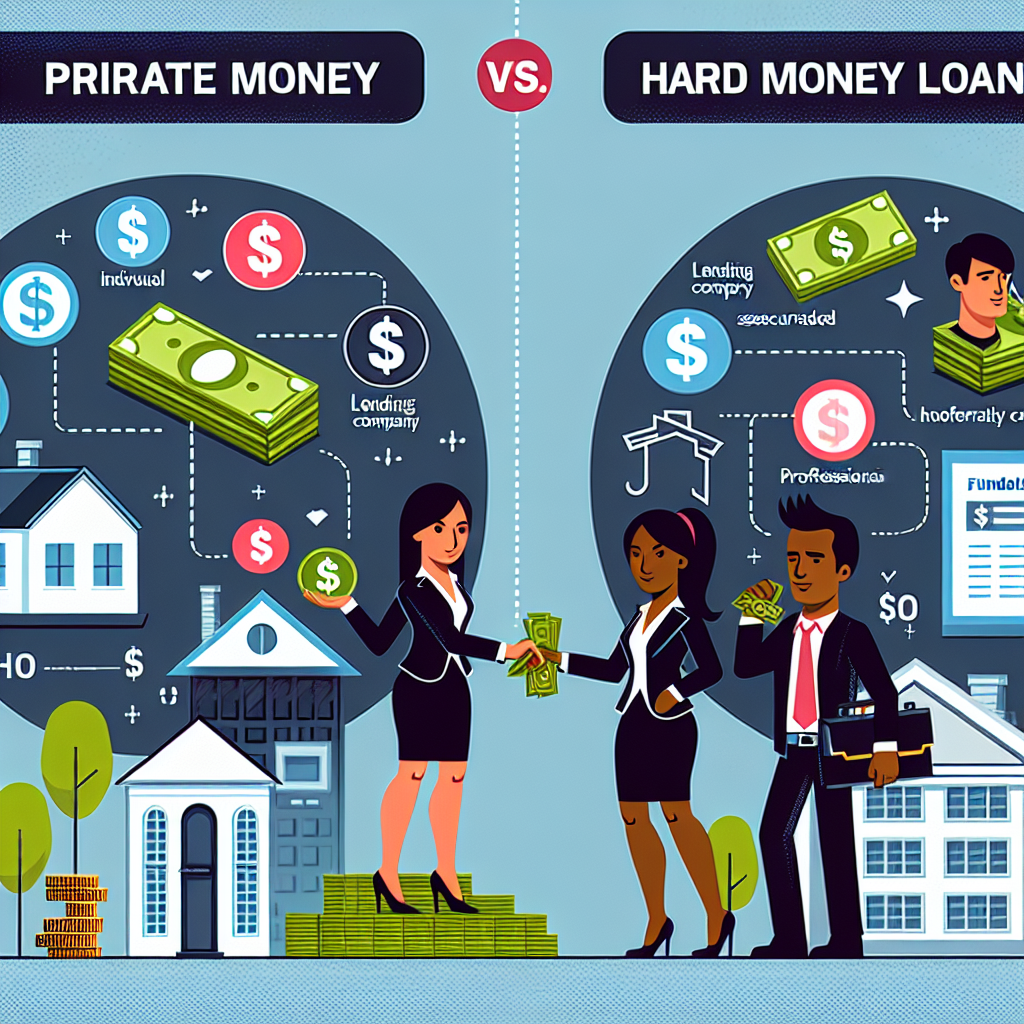
Private Money Loans
Private money loans are typically funded by individuals or small groups of investors who are looking to earn a return on their investment. These loans are often more flexible in terms of terms and requirements, making them an attractive option for real estate investors who may not qualify for traditional bank financing.
Consequences of Defaulting on Private Money Loans:
1. Personal Relationships at Risk: One of the biggest risks of defaulting on a private money loan is damaging personal relationships with the lender. Since private money loans are often funded by individuals or small groups, defaulting on the loan can strain relationships and potentially lead to legal action.
2. Legal Action: If you default on a private money loan, the lender may pursue legal action to recoup their investment. This could result in a judgment against you, which can have long-term consequences on your credit and financial stability.
3. Loss of Collateral: In many cases, private money loans are secured by the property you are purchasing. If you default on the loan, the lender may foreclose on the property to recoup their investment, resulting in the loss of your investment.
Hard Money Loans
Hard money loans are typically funded by private companies or individuals who specialize in lending for real estate investments. These loans are often used by investors who need quick funding and may not qualify for traditional bank financing.
Consequences of Defaulting on Hard Money Loans:
1. Higher Interest Rates: Hard money loans typically come with higher interest rates than traditional bank loans, making defaulting on the loan even more costly. If you default on a hard money loan, you may end up owing much more than the original loan amount due to interest and fees.
2. Shorter Repayment Terms: Hard money loans often have shorter repayment terms than traditional bank loans, making it more difficult to refinance or extend the loan if you are unable to repay it on time. Defaulting on a hard money loan could result in losing the property to foreclosure much more quickly.
3. Damage to Credit: Defaulting on any loan can have negative consequences on your credit score, but defaulting on a hard money loan can be particularly damaging due to the higher interest rates and shorter repayment terms. This can make it more difficult to secure financing for future real estate investments.
Navigating default on a private money or hard money loan can be a challenging and stressful situation for real estate investors. It’s important to understand the consequences of defaulting on these types of loans and to communicate openly and honestly with your lender if you find yourself in financial trouble. By being proactive and seeking help early, you may be able to avoid the most severe consequences of defaulting on a private money or hard money loan.